The Urban Mobility and Logistics Conference 2026 will take place on 11 November in Milan, following its first event in Bologna on 18 February 2026. The conference will explore innovative
The 8th Sustainable Mobility & Intelligent Transport Systems Conference will take place on October 29–30, 2026, in Nicosia, Cyprus. The event will bring together public authorities, operators, companies, and industry experts
The IEEE International Smart Cities Conference (ISC2) is the annual flagship event sponsored by the IEEE Smart Cities Technical Community. It brings together researchers, engineers, practitioners, students, and urban planners
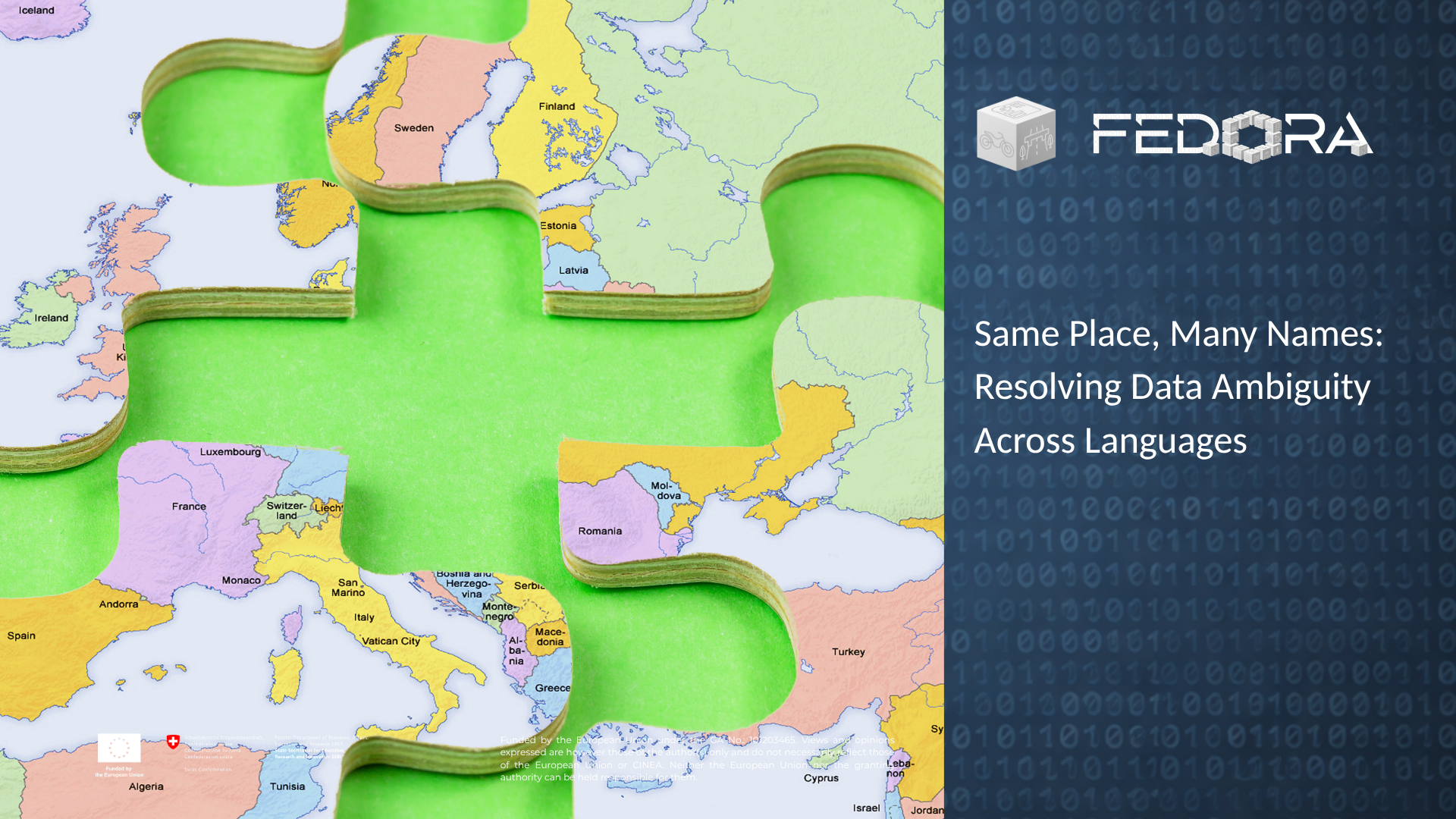
Teaching Data to Recognise “Gipuzkoa” and “Gipuzcoa” as the Same Place This data-matching method was developed as part of FEDORA Deliverable D3.1 – Integrated Cross-Sectoral Data Space. Anyone who has
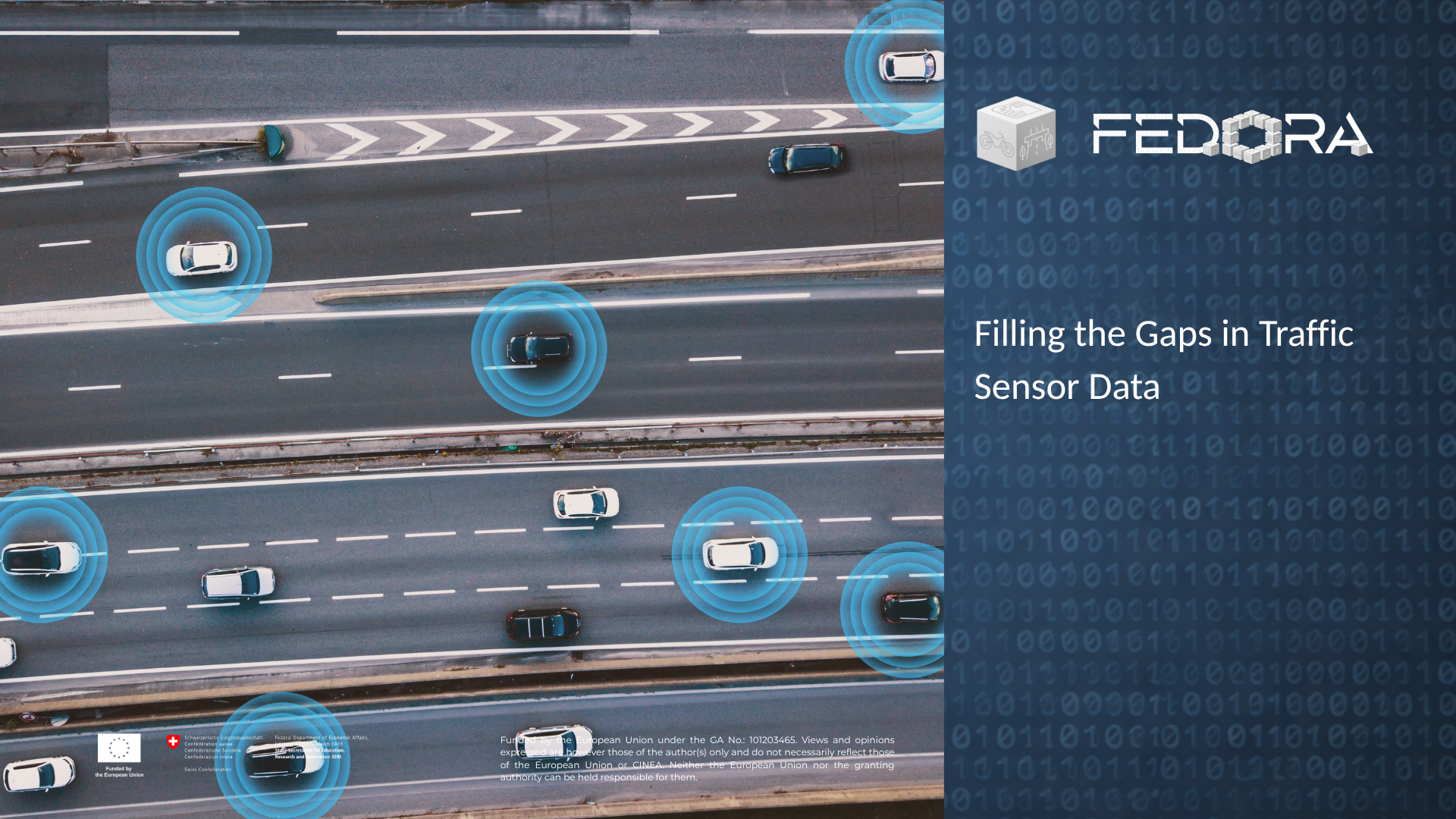
Reconstructing Missing Traffic Data with Tensor Mathematics This tensor-based data imputation method was developed and tested as part of FEDORA Deliverable D3.1 – Integrated Cross-Sectoral Data Space. Traffic sensors fail. Induction